
Chronicle of an Expedition to Volcán Barú
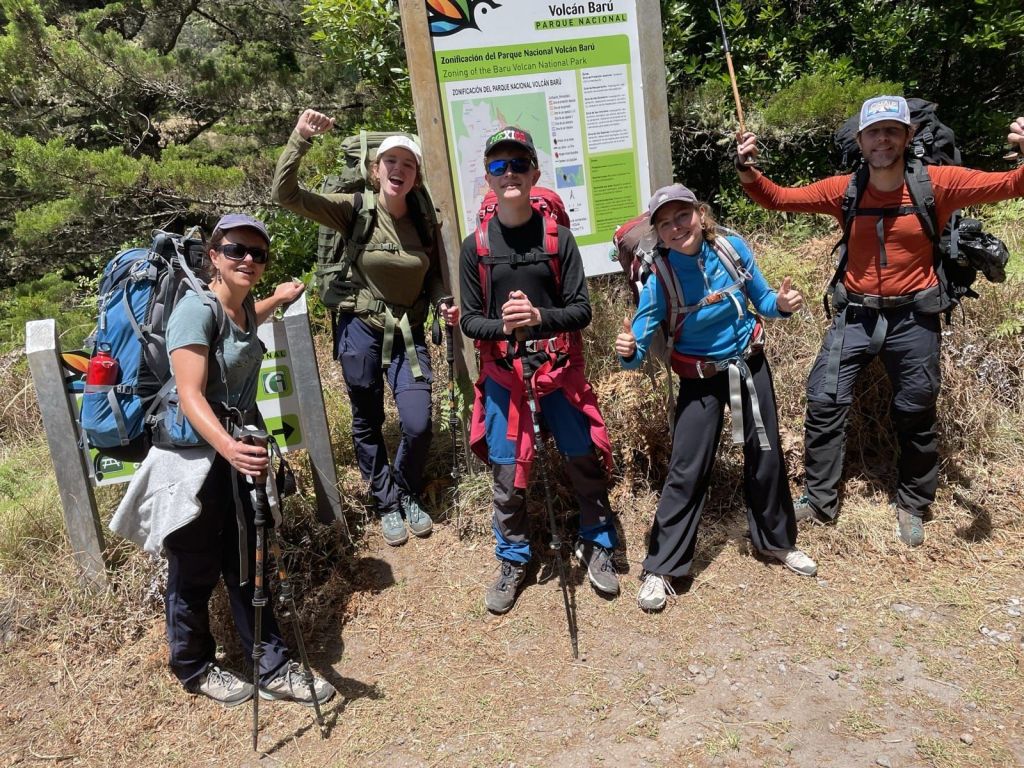
The first time I spoke with the mother was not on the mountain, but thousands of kilometers away, through a video call from France.
They were a family of five: father, mother, two young daughters, and the youngest member of the family. They wanted to climb Volcán Barú, and like many responsible travelers, they started by asking questions.
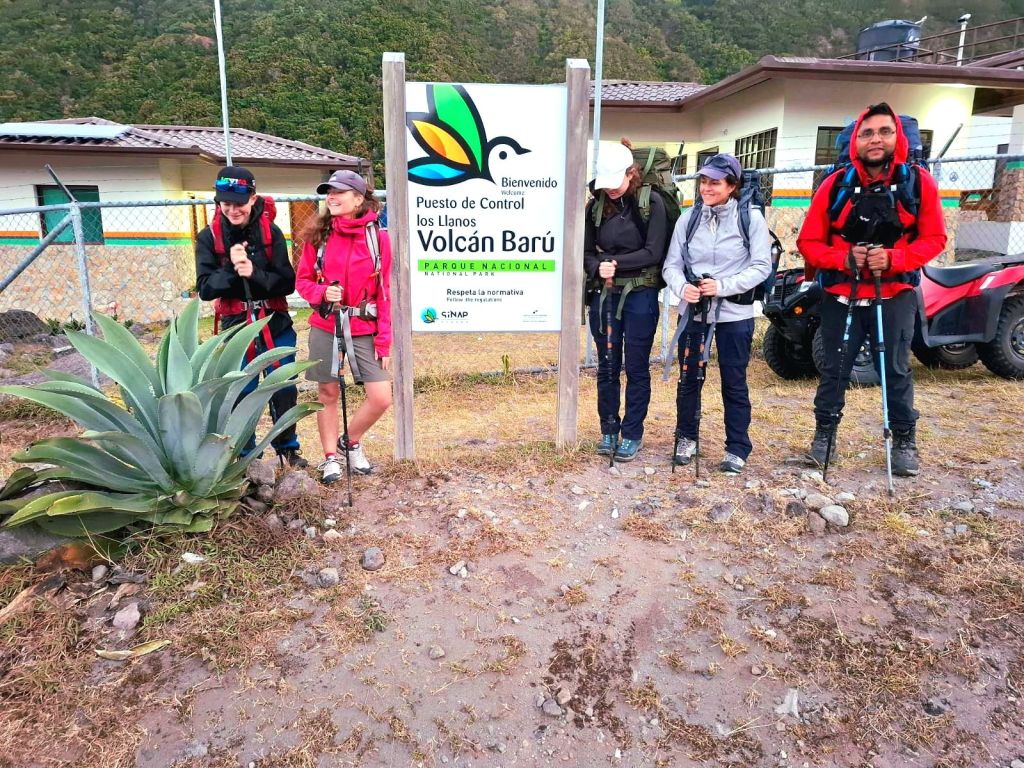
They wanted to know everything.
The difficulty of the trek.
The weather in the mountains.
The recent changes in the park’s regulations.
What equipment they should bring and what they could rent to avoid carrying too much weight from Europe.
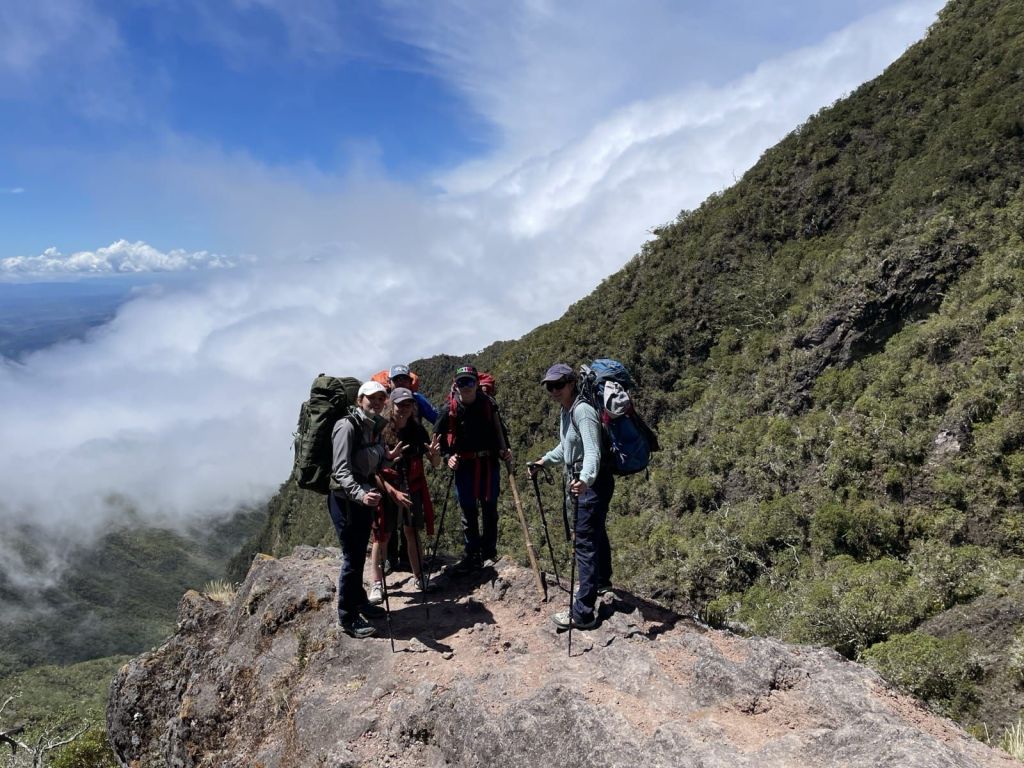
For several days we exchanged messages and logistical details. I explained the type of terrain, the altitude, the cold that is often felt at the summit, and also the new park regulations that everyone must respect when hiking this mountain.
In the end, they made a practical decision: to rent part of the equipment from me so they wouldn’t have to travel with too much weight.
It was a good decision.
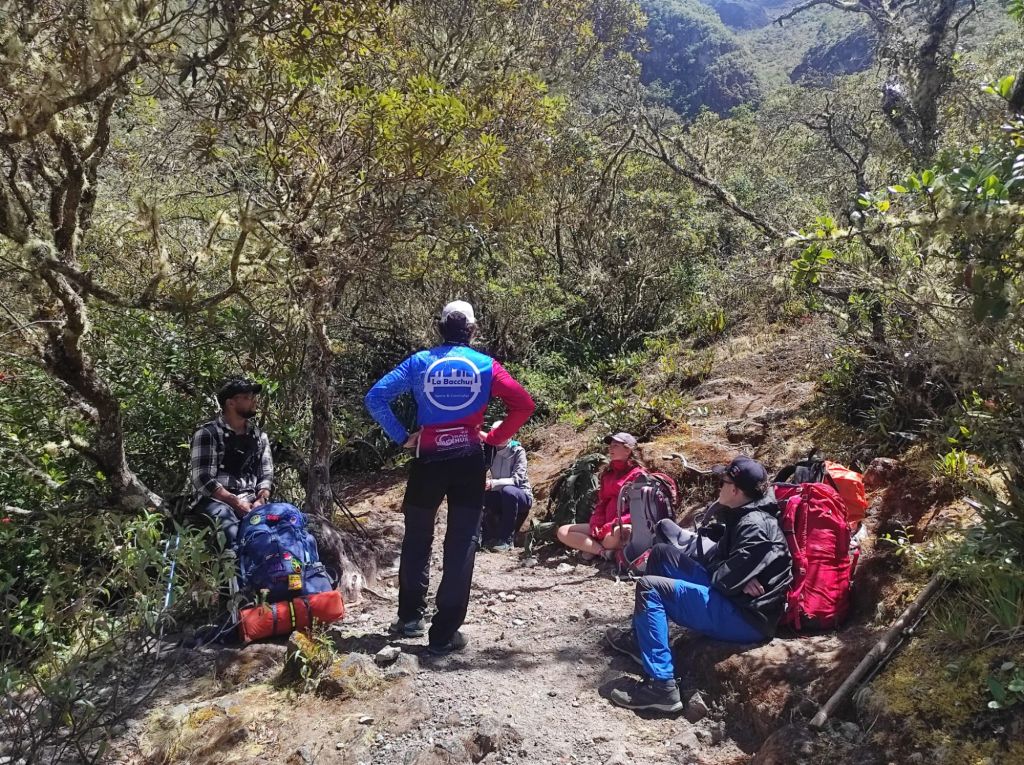
The Real Weight of an Expedition
Many European hikers are used to ultralight trekking, where water can easily be obtained from rivers or springs along the trail.
But on this mountain, the logistics are different.
There is a small water source along the trail, but for safety we prefer to carry our own water from the start. That small water source is not a constant flow like a river or an active spring; it is more like a small point where water slowly accumulates, and with so many hikers passing through during the season, there is always the possibility that it may not be completely clean.
Water alone can completely change the weight of a backpack.
Three liters of water for a single day already represent several additional kilograms. In fact, three liters equal approximately 6.6 pounds, and for two days of hiking a person may end up carrying close to 13.23 pounds in water alone.
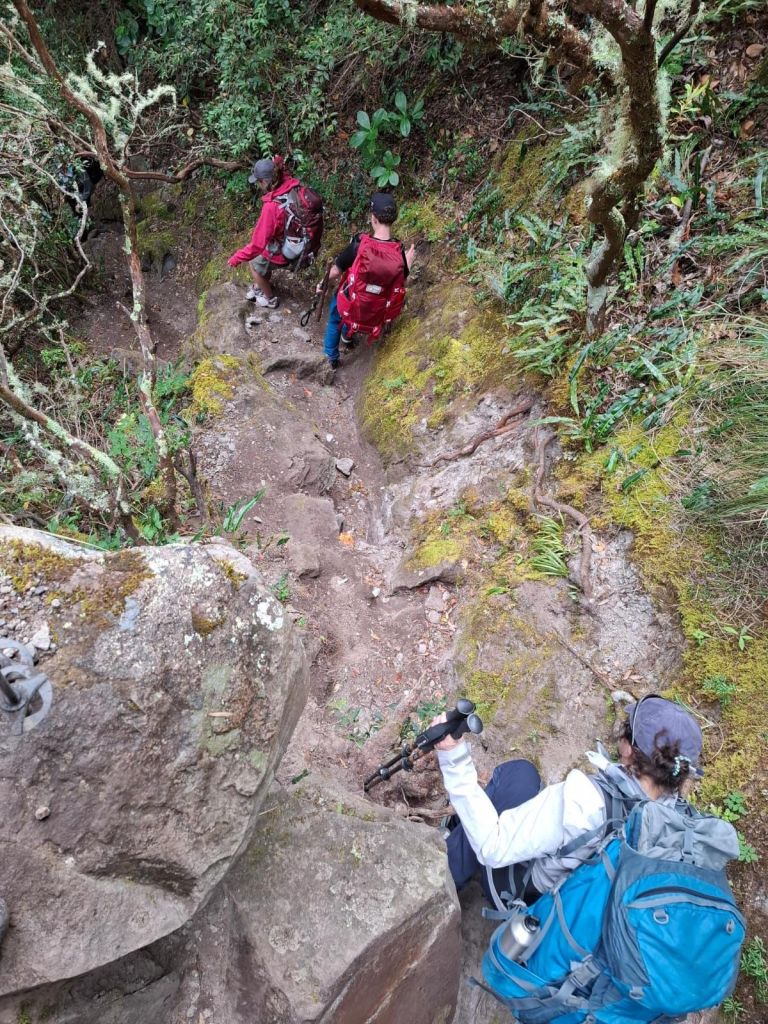
That is why hydration is a very important factor in this type of hike. Maintaining a good level of water in the body is essential when hiking in the mountains and gradually gaining elevation.
To this we add the food needed for two days: lunches for both days, dinner, breakfast, and snacks for the trail.
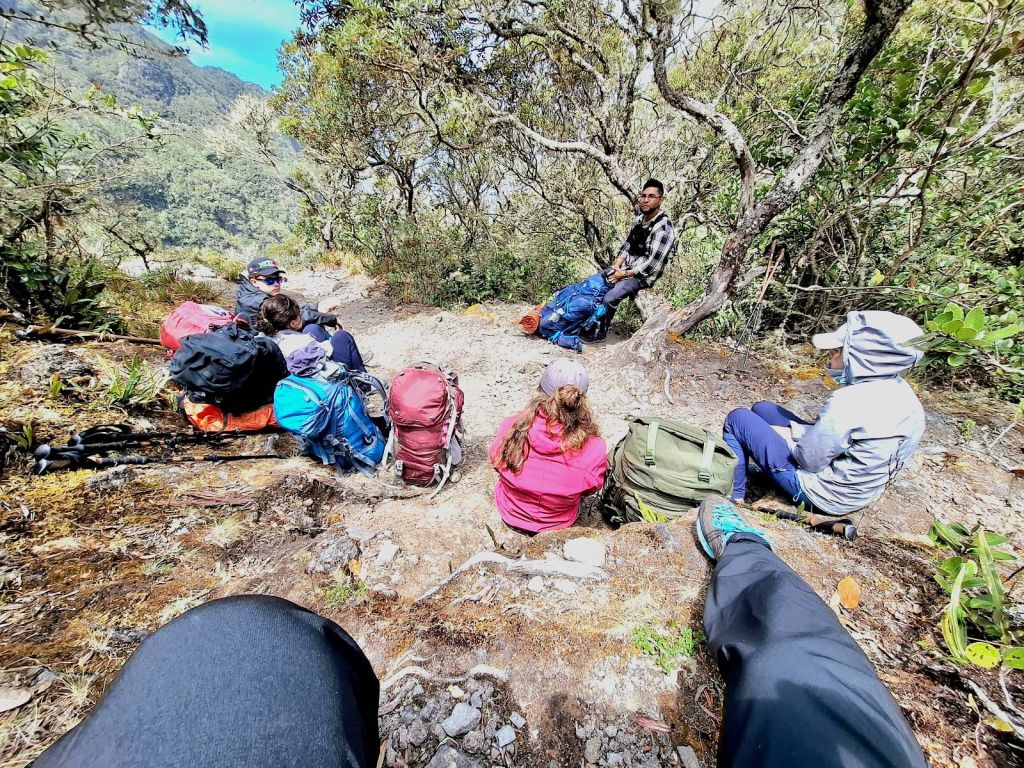
Then comes the camping equipment:
tent
sleeping bag
ground insulation
sleeping pad
layers of clothing for the cold
Even when the weight of the tent is divided among several people, the backpack still grows quickly.
When we checked the equipment weight before starting the hike, the backpacks were between 30 and 38 pounds.
It was not a light load.
But one thing became clear from the very beginning: they were in good physical condition.
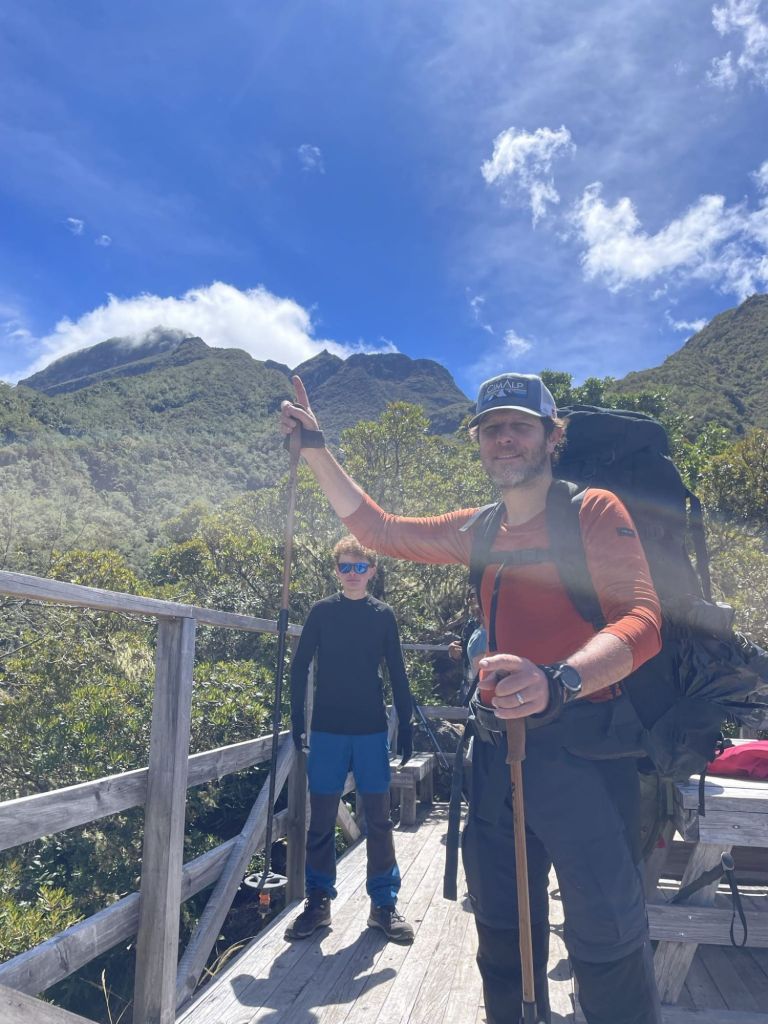
Moving Through the Forest
We entered the forest at a steady pace. Not fast, but consistent.
That kind of rhythm is usually the best on this mountain.
The first kilometers of the trail are essential for analyzing the physical condition of the hikers. Especially because the last 2.5 kilometers contain roughly half of the total elevation gain of the entire route, about 837 meters of ascent in a relatively short stretch.
As we moved forward, the forest gave us small moments that always make a hike special.
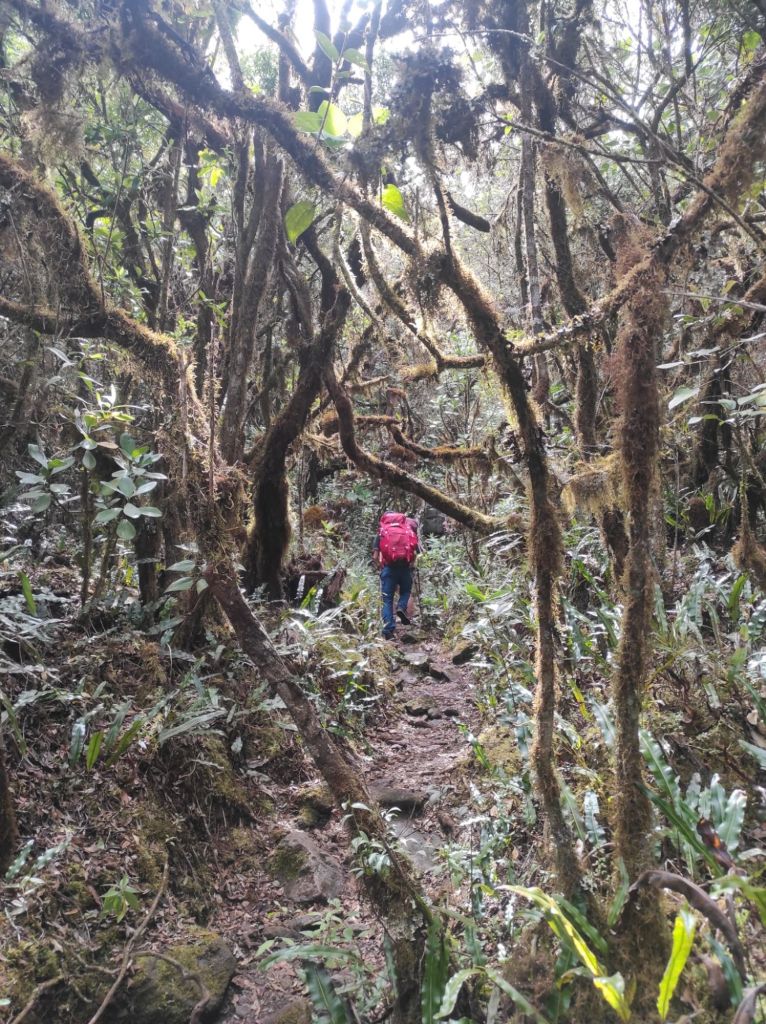
We heard the quetzal and the black-faced solitaire singing among the trees.
We also saw the elegant long-tailed silky flycatcher moving through the branches with its partner.
Later we spotted the spotted wood quail, one of the small forest birds that always surprises visitors.
During the first kilometers of the trail we were also able to observe another inhabitant of the forest: the black guan, one of the large birds that moves through the trees of these mountains.
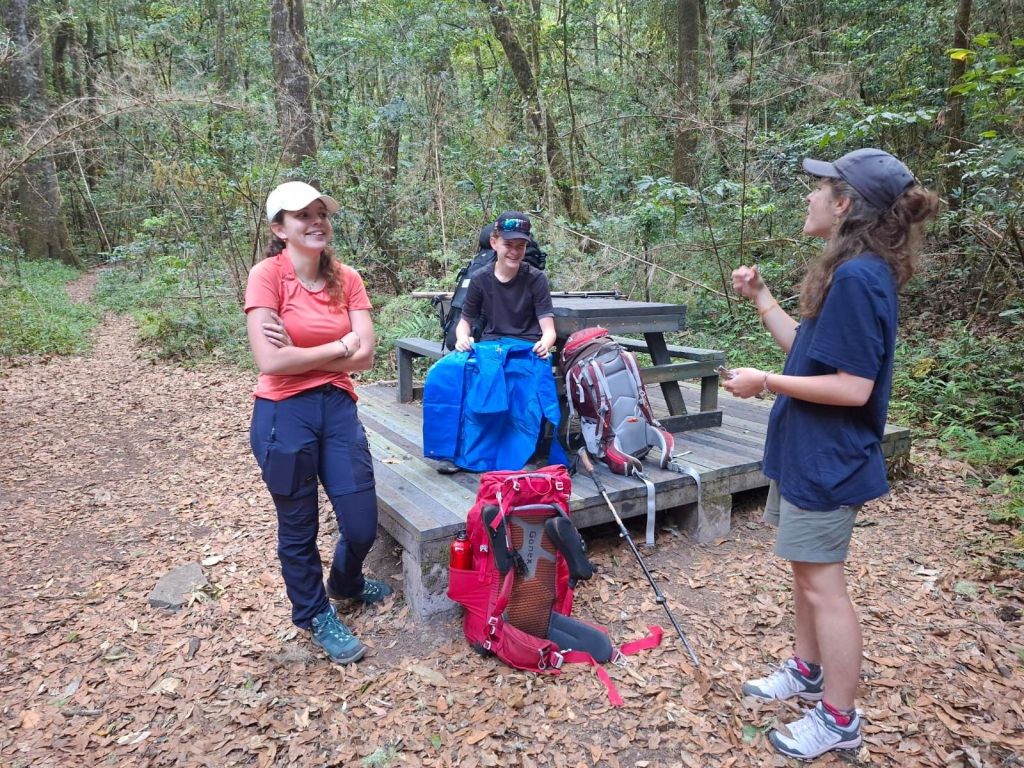
In the middle of the trail we even saw a small mammal carrying prey in its mouth. None of us could identify it with certainty.
After many years guiding on this mountain, there are still moments that manage to surprise me.
And that is always a good sign.
That day also had something unusual: we were the only ones on the trail. We did not encounter other groups either going up or coming down. We climbed the first day and descended the next without crossing paths with other hikers on that route.
The Fog of the Crater
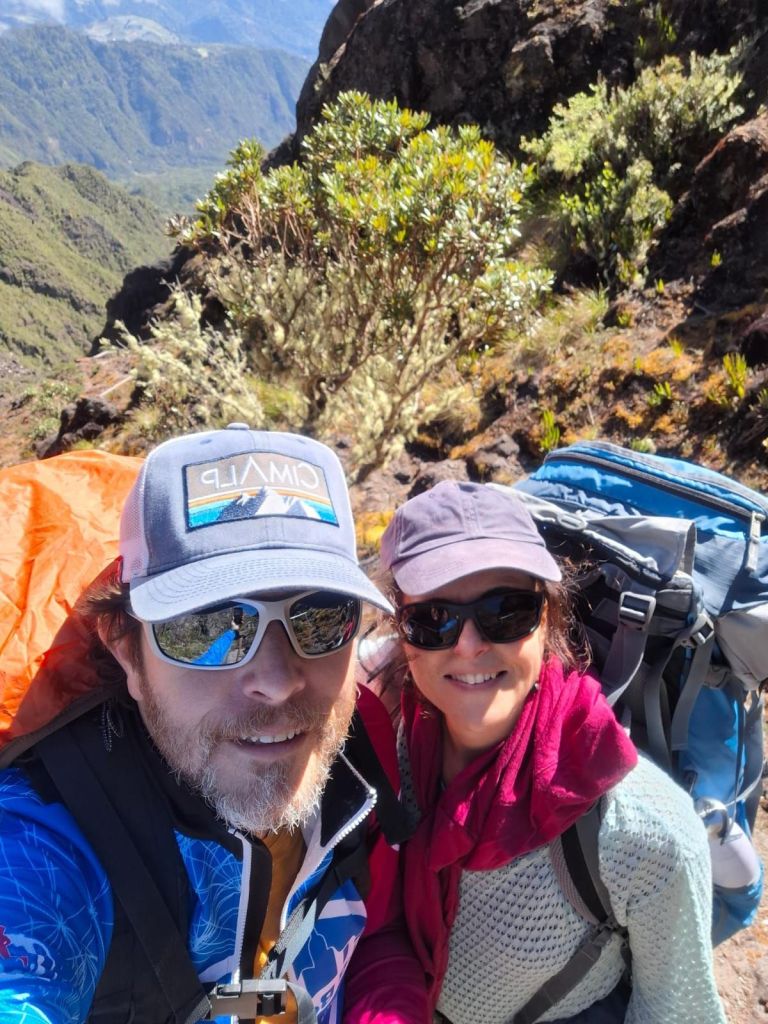
When we reached the crater area, we set up camp.
It was late in the afternoon, around five or six.
Then something quite typical on this mountain happened.
The fog began to roll in.
On other occasions I have experienced moments when the fog is so thick that you can barely see someone standing two meters away.
And with the fog always comes a small dose of uncertainty.
Will strong winds arrive during the night?
Will the temperature drop too much?
These are normal questions when sleeping above 3,000 meters of elevation, which is why we always climb very well prepared.
But that night everything remained calm.
The mountain was simply reminding us that we were in its territory.
The Early Morning
At 3:00 in the morning the camp began to move.
Packing equipment, preparing backpacks, making coffee and some hot tea before starting the final stretch to the summit.
There were 1.2 kilometers left.
Darkness still covered the trail when we started walking.
That moment has something special.
The mountain is silent.
You only hear boots stepping on the earth and the sound of the wind moving through the shrubs.
Before the Caribbean side began to fill with clouds, the sky was completely clear.
It was one of those skies that are rarely seen with such clarity.
The Milky Way crossed the sky like a luminous band, and from that height we could also see the map of lights from the towns surrounding the mountain.
The lights of David, Boquete, Volcán, Paso Ancho, and other communities around the Barú massif were visible.
Even farther away, the lights of Bocas del Toro and some lights near the border between Panama and Costa Rica could be seen.
From above, everything looked like a luminous map spread beneath the stars.
A Different Sunrise
When we arrived at the summit of Volcán Barú, we were the first.
After a few minutes, the distant lights of tourists hiking from the Boquete side began to appear.
We could also see the line of vehicles transporting visitors up the road to reach the summit in time for sunrise.
It was a different sunrise.
The Caribbean side was covered with clouds, but the Pacific Ocean appeared clearly to the south.
Every sunrise here is different.
Some days the sky explodes in intense colors.
Other days the light filters through the clouds creating soft and silent landscapes.
That day was one of those quiet sunrises.
The kind that is best enjoyed in silence.
Rock, Mountains, and Culture
During the ascent I discovered something I did not expect.
This French family loved rock music.
A lot.
The conversation shifted from trails and backpacks to music.
They told me about several French bands I did not know, which I later searched for and listened to calmly.
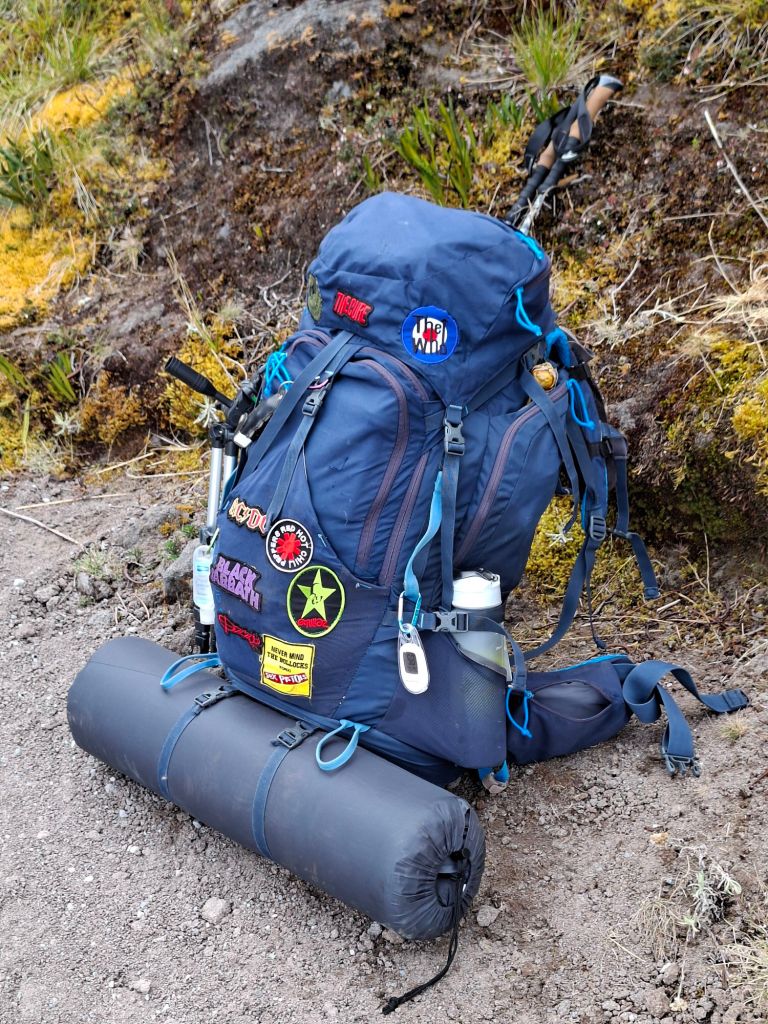
The mountain has that magic.
People from different countries begin by talking about backpacks, weather, or trails… and end up sharing music, stories, and culture.
The End of the Trail
At the end of the expedition we said goodbye.
They continued their journey through other regions of Panama before returning to France.
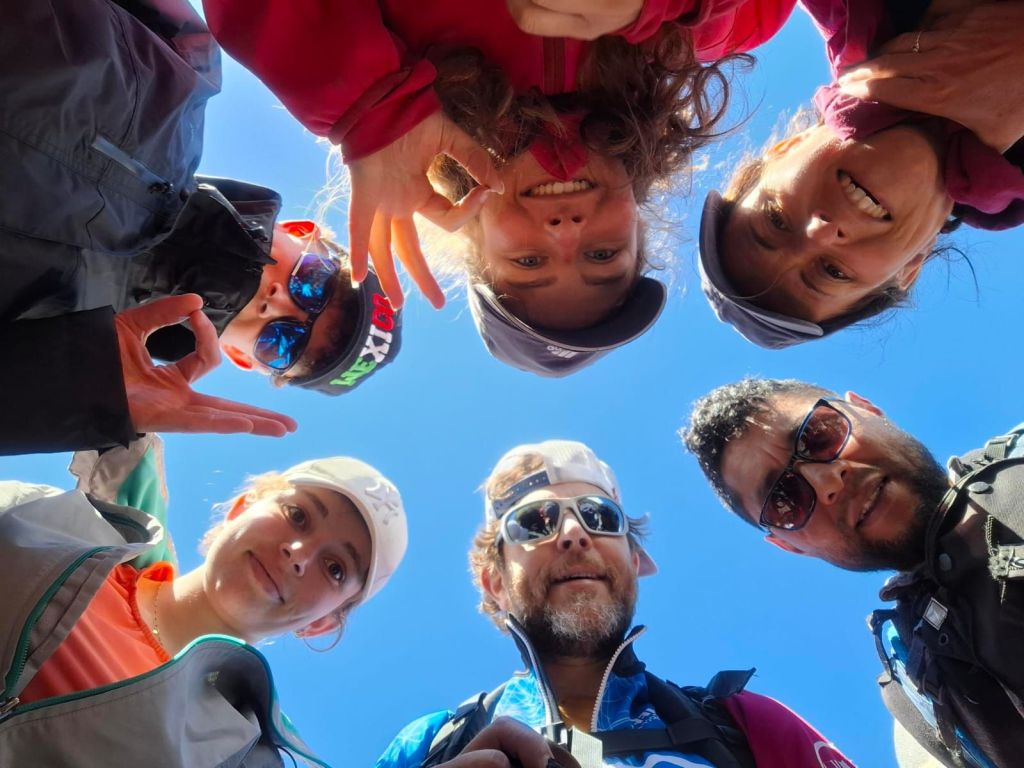
For me, the memory that remained was that of a peaceful hike, a strong and curious family, and an unexpected conversation about rock music in the middle of the mountain.
Every group that comes to Volcán Barú leaves something different behind.
And that is what makes guiding here special, again and again.
Because every expedition has its own story.
Article written by Jorge López Morrison.
This article was made possible thanks to the sponsorship of Movimiento Difusión Sonora , a platform dedicated to promoting national and international artists and supporting talent and culture through music.
Do you want to hike Volcán Barú? Write to us.
 "Volcán Barú guide"
Leave a comment